Picture4

Are you designing through a Behavioral Lens?

How behavioral design shapes better workplaces. An environmental psychologist on why assumptions fail, and what happens when you design from real behavior instead.

The term "behavioral lens" is widely used in my field as an environmental psychologist. Taking behavior as the starting point sounds obvious, but it is not. Looking at behavior is a discipline in itself. We often assume that the function and design of a space will naturally lead to the behavior we have in mind. But designing for behavior requires more than that; behavior emerges from the interaction between people and their environment.


Do you design based on your own vision of how a space should be used? Or do you start with the behavior people actually display? It may seem like a small distinction, but it often leads to very different design choices.


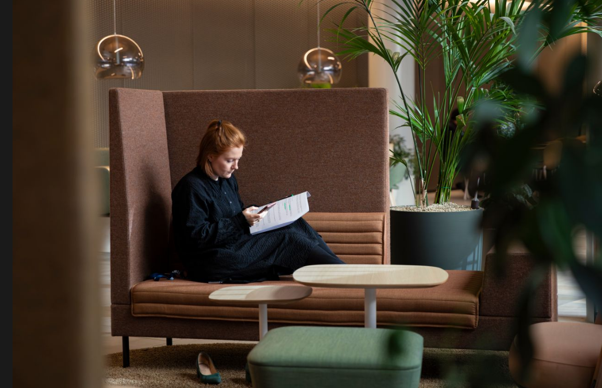
Imagine you are designing a meeting area with comfortable lounge seating to encourage informal collaboration. In practice, employees mainly use the space as a quiet retreat to work on their laptops because it is located in the calmest, but also the most remote, part of the office. The design aligns with the designer's vision, but not with the users' behavior. And that is exactly where the behavioral lens begins. And exactly why you should put it on.

Picture1

Looking beyond assumptions

For me, it starts with one simple step: move beyond your assumptions. Easier said than done, of course. When was the last time you caught yourself making an assumption that turned out to be wrong?


Chances are it happened today. We all view the world through our own lens and unconsciously assume that others experience it in the same way. This helps us assess situations quickly. And often, it works. Rules of thumb exist for a reason. When we experience stress, we want to relax. When the sun is shining, we leave the house without a coat.


But it is also a distorted view.


It lacks the nuance and deeper understanding of what people truly need. Why are we experiencing stress? Is relaxation the solution, or merely a way of treating the symptom? Will the sun stay out all day? And is it warm enough for everyone to go outside without a coat?


People are different. What feels stressful to me may not feel stressful to you. And while I may find it warm enough to leave my coat at home, you may still feel cold.


A practical example from healthcare

Let me share an example from a recent project.


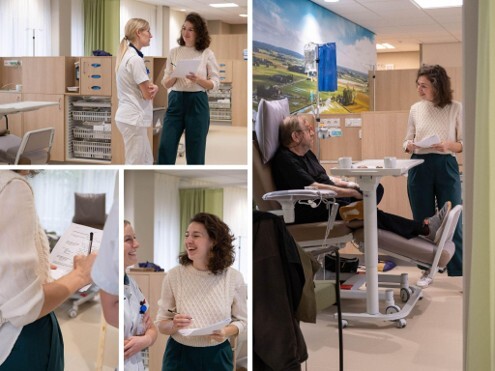
Together with two designers and a curator, I worked on the oncology day-treatment department of the Elisabeth-TweeSteden Hospital in Tilburg. Our assumption? That patients there would experience high levels of stress and uncertainty. After all, undergoing cancer treatment is incredibly challenging. We therefore assumed the environment should focus on relaxation.


What did we discover?


Yes, patients experienced stress and uncertainty about their diagnosis and treatment journey. However, in this specific department, the dominant themes were hope and the need for social support. As long as treatment remains possible, there is hope for the future. Being able to talk about the simple things in life helps patients feel like people rather than patients.


Stress played a much smaller role than we had expected. By testing our assumptions against what patients actually needed, we gained a far more nuanced understanding.


As a result, our design question shifted: not "How do we create relaxation?" but "How do we support hope and social interaction?"


That shift led us toward a completely different design solution.

Picture2

Design research in the oncology day treatment unit at ETZ Tilburg.

A collaboration between Psychologist of Senses & Spaces, A+N Studio and Justine Kontou. Photographer: Sanne Kaal

Designing from behavior

This brings me back to the key question: if we recognise that everyone experiences the world differently, what should we base our designs on? Our own vision of how a space should be used? Or the needs and behaviors of the people who will actually use it?


Given the example above, it will not surprise you that, as a social and environmental psychologist, I will always argue that we should focus on people. Or rather: on behavior. Because behavior shows us what people truly need.


Ideally, we should observe it as objectively as possible, without assumptions. That is not always easy, and it is a discipline in its own right.


This is also the core idea behind Human-Centred Design (HCD). HCD places human needs at the centre of the design process. By understanding what matters to people and what they need, you effectively see the world through the user's eyes and design from that perspective.


Human-Centred Design and psychology

Human-Centred Design (HCD) is a holistic, systems-based approach that goes beyond designing products. Instead, it seeks solutions to real problems. It explores how a solution can create behavioral change while taking the broader context into account. This makes HCD particularly effective in addressing complex challenges.


As a psychologist, I like to go one layer deeper by translating needs into behavior. I explore the unconscious drivers and patterns behind that behaviour. What people need often goes beyond what they say. By linking behavior to internal and unconscious processes, and grounding our insights in psychological theory, we can better understand where change is needed and how the environment can support it.


A good example is encouraging movement in the workplace. Many solutions focus on conscious behavior: stand up more often, walk more, or change your posture regularly. A behavioral approach, however, focuses on how to align with the natural movement patterns people already display.


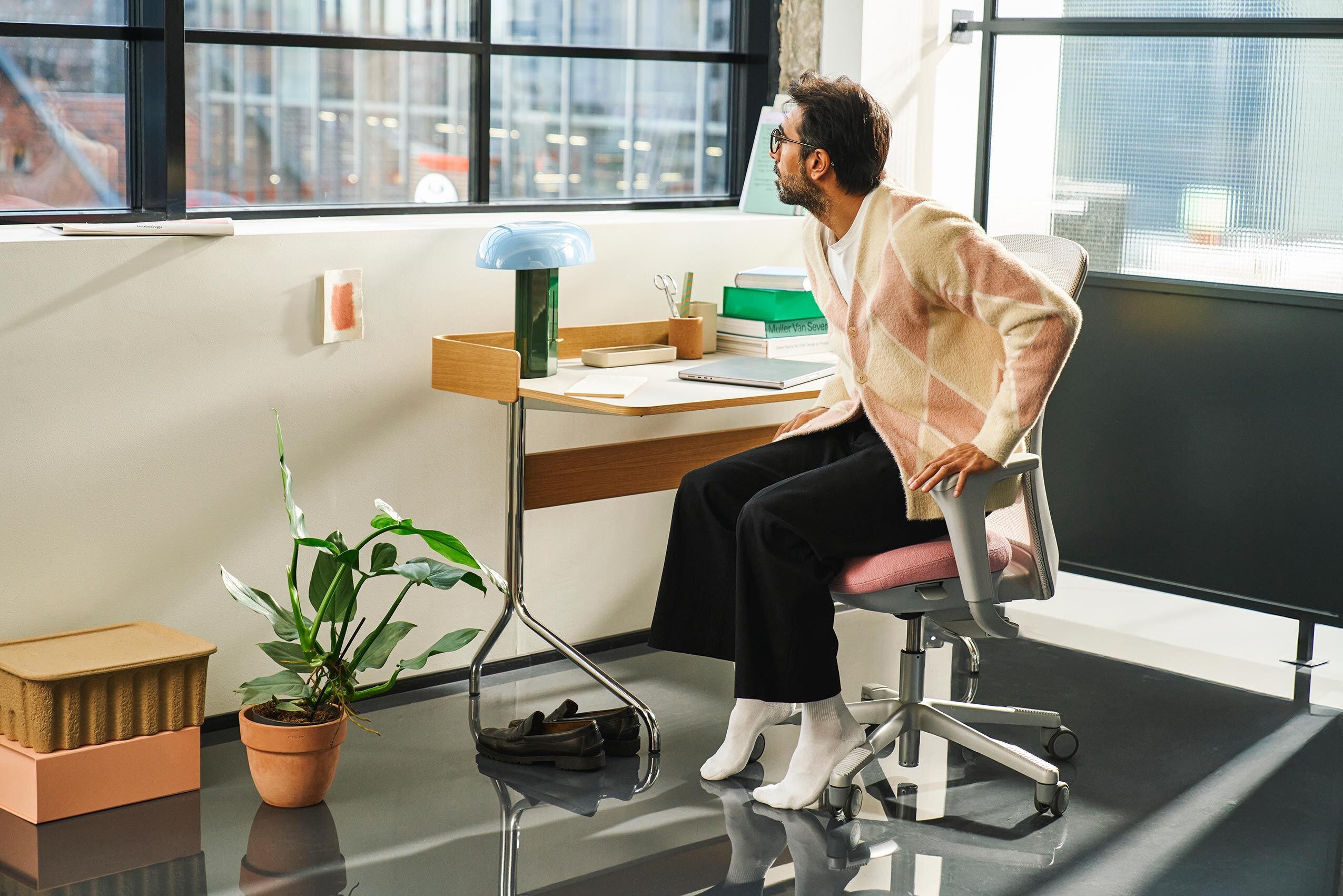
HÅG's approach reflects this. Rather than prompting people to consciously change posture, it works with movement that starts at the feet. Small shifts in foot position trigger corresponding shifts through the legs, hips and spine, so the body recalibrates without the person having to think about it.

Flokk-interior-new-product-shoot-hag-sofi-mesh_17

While psychologists are often focused on explaining and validating why things happen, HCD is about creating and implementing solutions. To me, that is where the strength of the collaboration between design and psychology lies, grounded in one shared foundation: people.


Behavior is not the outcome of design. It is the starting point.


There is much more to say about this way of thinking. Stay tuned. In future blogs, I will explore the psychology behind human behavior in greater depth.


Use your behavioral lens:

    • What assumptions are you making about the users within your current project?
      For example: This space encourages interaction, so people will naturally collaborate here.
    • What observation or question could help you test that assumption?
      For example: What do you actually see people doing? And does that behaviour tell the same story as your design intent?

This might also interest you