vast_giroflex40-colourinspo_04

Best office chair for long hours: what actually matters?

Long hours in a chair place different demands on the body. This guide looks at what actually matters in a chair designed to support focused work over time.

For many people, sitting for long periods is simply part of the working day. The question is not whether that is ideal, but what kind of chair best supports the body when that is the reality.


A chair that feels fine for a short meeting can feel very different after several hours of focused work. Long-duration sitting places different demands on the body, and that changes what matters in a chair.


Before looking at what a chair can do, it helps to understand what prolonged sitting is actually doing to the body.


What happens to the body when we sit for long periods?

Desk-based workers spend a large share of the day sitting, often for long, uninterrupted stretches. In that context, the most common musculoskeletal complaints tend to be in the lower back, neck and shoulders, with low back pain especially common in sedentary work, as shown in this recent study of office workers.


Sitting itself is not automatically harmful, but sitting for too long without enough variation increases the demands placed on the body.


Muscles continue working to stabilise posture

Even when you are not moving much, the muscles in your back, neck, and shoulders are still working to keep you upright. Over time, that can lead to fatigue and a feeling of tightening or stiffness.


Pressure builds through the seat and lower back

Sitting for long periods increases pressure through the seat and lower back, especially when support or fit is limited. This can make certain areas feel more loaded and less comfortable as time goes on.


Posture becomes less varied

The longer people stay seated, the less naturally they tend to change position. That means the body gets fewer opportunities to reset, redistribute load, and recover from one posture.


Discomfort increases over time

What feels fine at the start of a sitting period can feel very different a few hours later. Fatigue, stiffness, and discomfort often build gradually rather than all at once.


For most people, the result is familiar rather than dramatic: stiffness, fatigue, pressure build-up, and a gradual increase in discomfort as the day goes on.

How can a chair help?

A chair cannot remove the physical demands of prolonged sitting altogether, but it can do a great deal to manage them.


Support the lower back more effectively

A well-designed backrest, particularly one with appropriate lumbar support, helps maintain the natural curve of the lower spine and can reduce load on the lower back. Research has shown that backrest design can reduce lumbar load by transferring more of the upper-body load through the chair back, rather than leaving the lower back to absorb it alone, as discussed in this review of ergonomic interventions and musculoskeletal pain.


Reduce pressure through the seat

Seat depth and seat-front design matter here. If the seat is too deep, or its front edge presses into the back of the knees, pressure can build under the thighs and behind the knee. This is why appropriate seat depth and a curved or waterfall front edge matter.


Make posture variation easier

Recline and tilt mechanisms allow the body to change position, redistribute load, and avoid remaining in one posture for too long.


These features only work properly when they are matched to the user. This is where adjustability matters. Lumbar support is most effective when it aligns properly with the lower back, and seat depth only works well when it suits the length of the user’s thighs.


A feature on its own is not enough. It needs to be positioned and used in a way that fits the body it is supporting.

Why movement matters too

Support is one answer to long-duration sitting, but it is not the only one. Movement is another. Sitting becomes more demanding when the body remains too still, and even small changes in posture can help reduce the effects of prolonged static sitting.


This does not mean a chair should feel unstable or distracting. Good movement-supporting chairs are not about wobbling for the sake of it. They are about allowing the body to shift and vary posture naturally while still maintaining enough control to work effectively. For some users, this kind of active sitting is an important part of staying comfortable and alert throughout the day.


There is no single ergonomic answer

No one ergonomic solution works equally well for every person, task, and environment. Some people benefit from more structured support and a high level of individual adjustment, particularly during long periods of focused work. Others respond better to seating that encourages greater posture variation and movement.


Many chairs sit somewhere between these two approaches, combining support with a degree of freedom and responsiveness. What matters is not choosing the chair that seems most advanced on paper, but the one whose design best suits the person using it and the way they work.


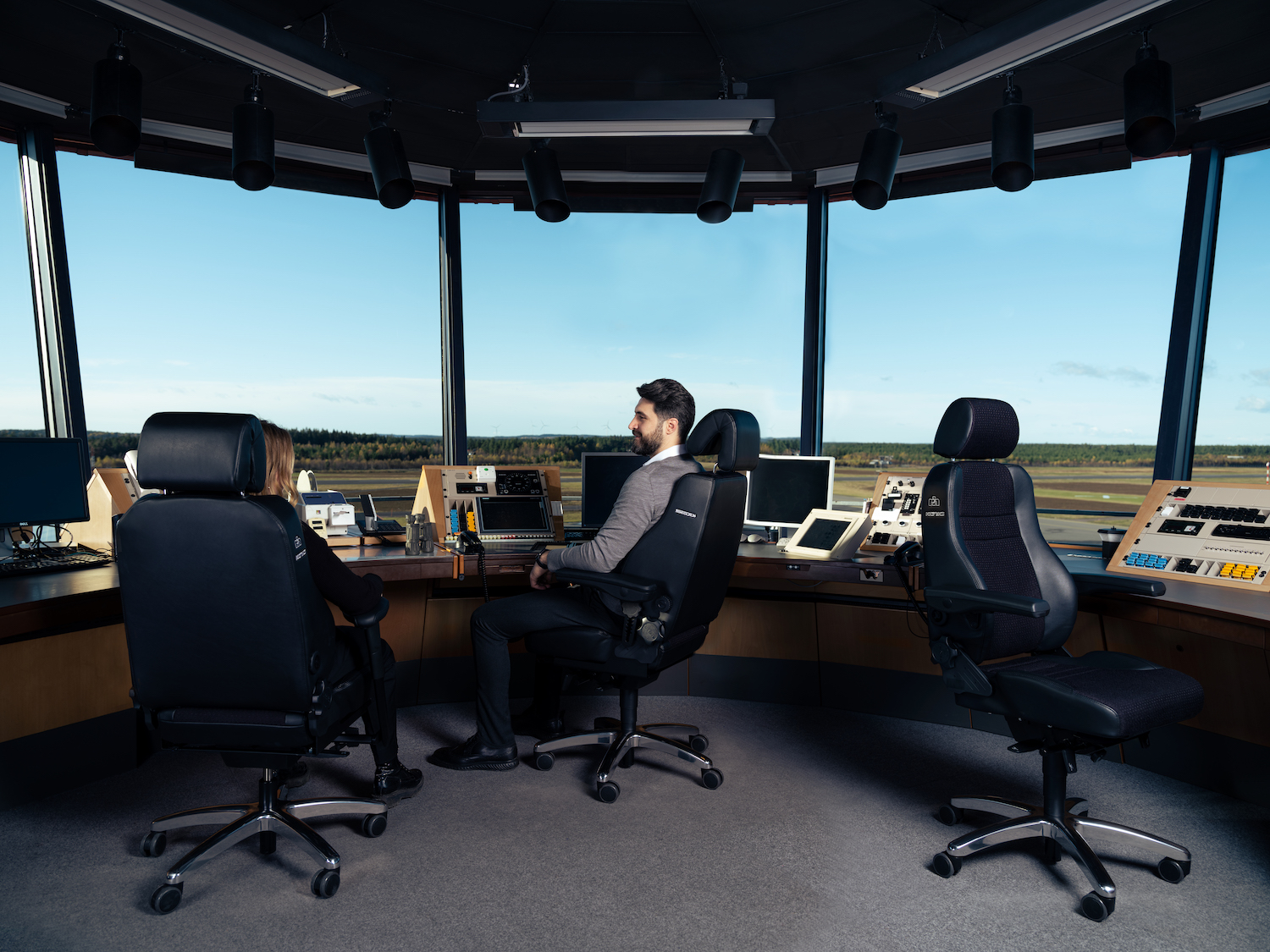
This becomes even more important in 24/7 environments such as control rooms, where chairs may be used continuously and under more demanding conditions. In these settings, the need for sustained support, durability, and long-term comfort becomes even more critical. 


The goal is always the same: to support comfort, health, and performance over time. The route to that goal can differ.


4 different chairs for 4 different needs

HAG-Capisco-Office_Bow_013_HiRes crop-1
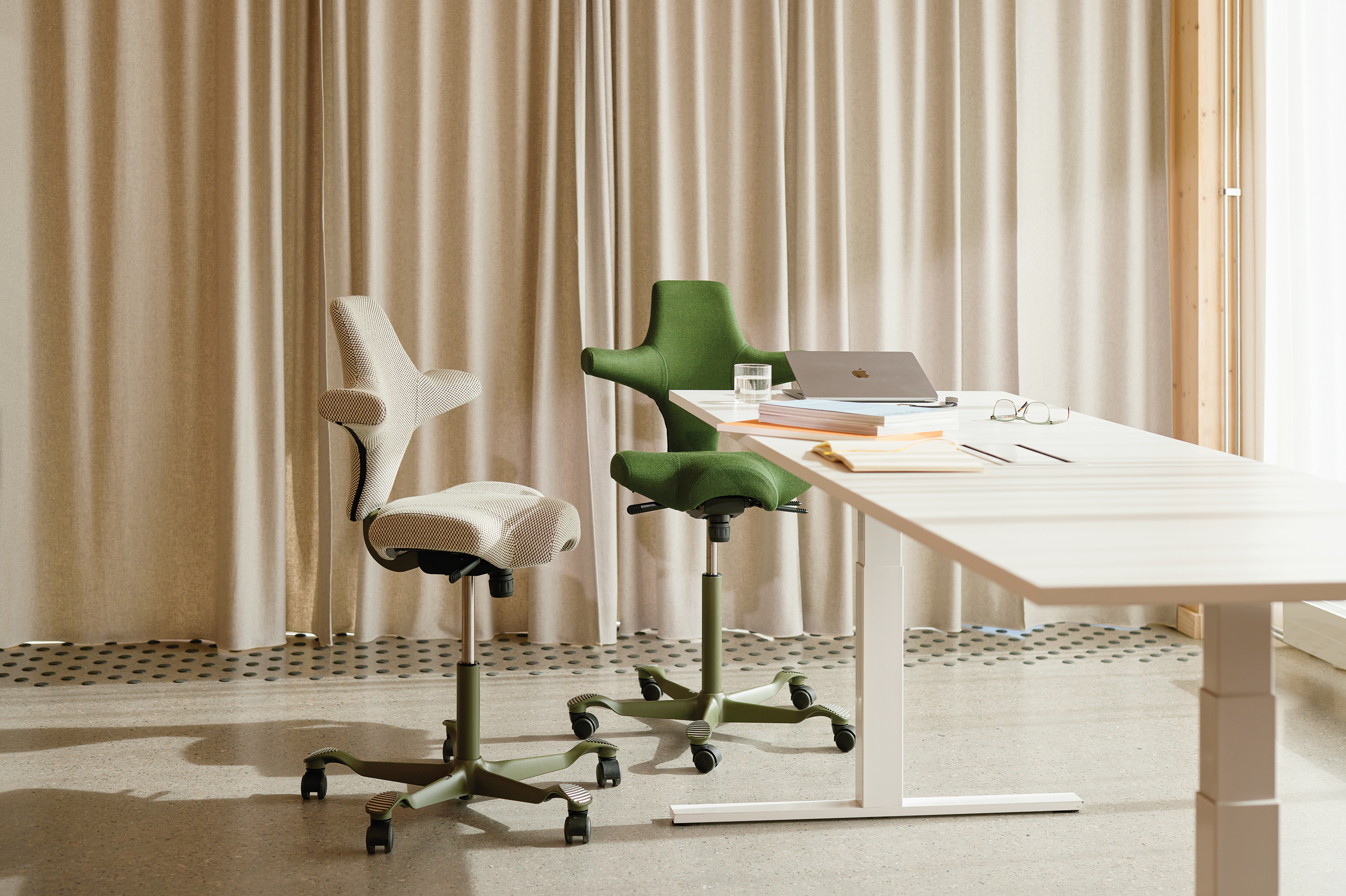
HÅG Capisco is designed around movement and posture variation, with key adjustments such as seat height, seat depth, and backrest height supporting individual fit without overcomplicating the sitting experience.
Flokk-interior-new-product-shoot-hag-sofi-mesh_01
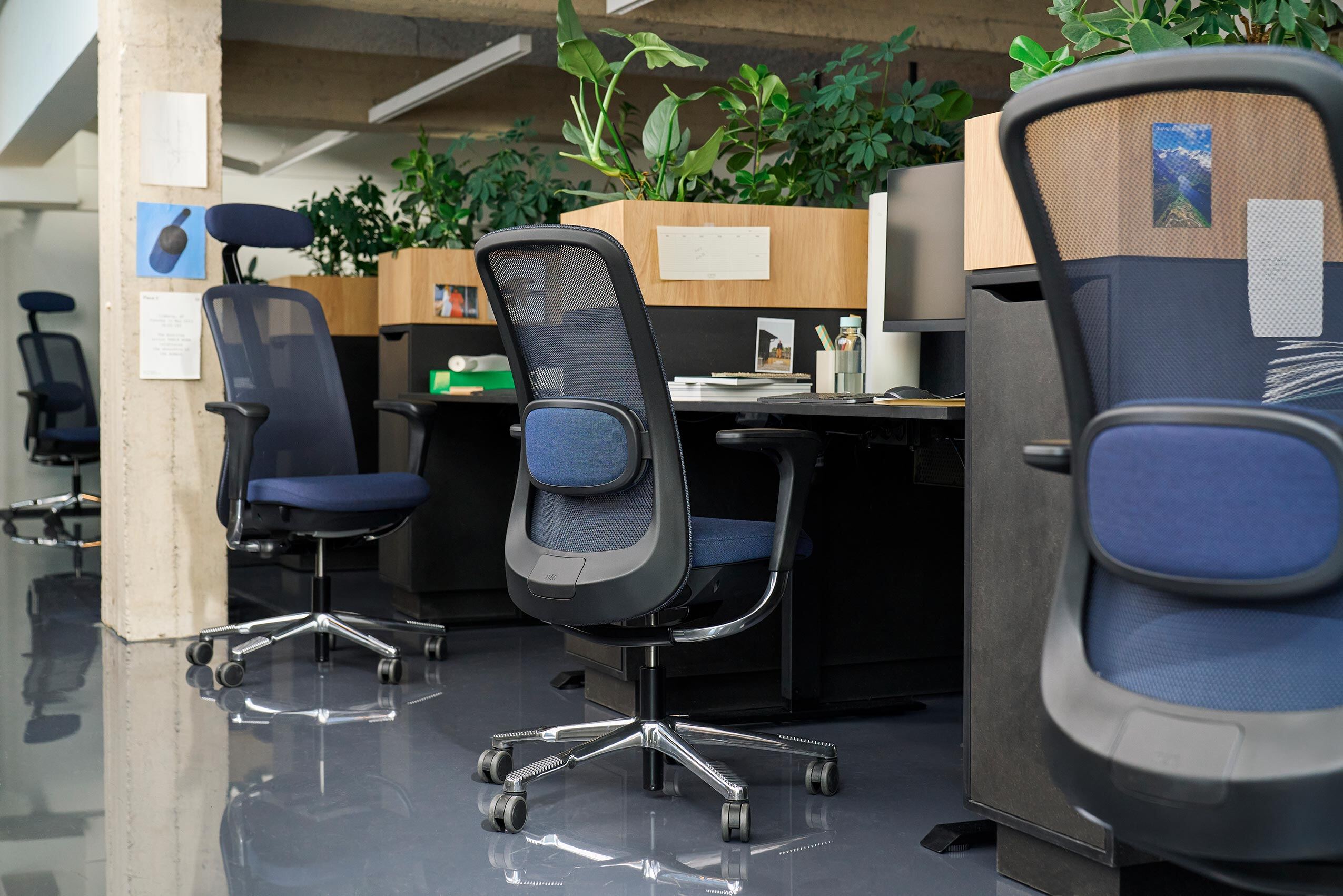
HÅG SoFi offers a middle ground between simplicity and support, with intuitive controls and key adjustments including lumbar support, armrests, and seat depth, making it well suited to both individual and multi-user settings.
6_RH_New_Logic_green
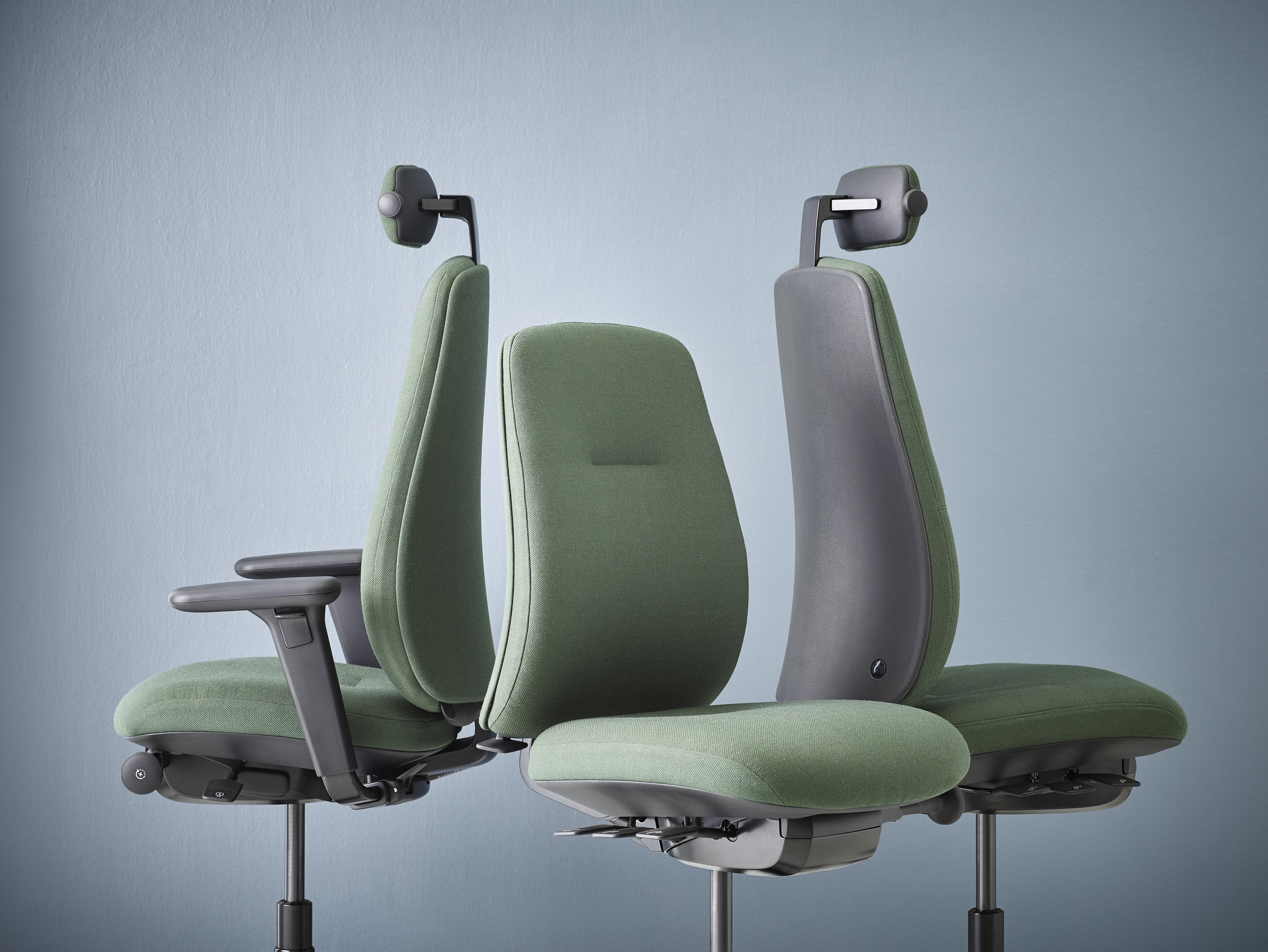
RH Logic is designed for sustained, focused work, with a high level of adjustment that allows the chair to be tailored closely to the individual user over longer periods of sitting.
Mozaik-2-1
RH Secur24 is built for intensive 24/7 settings such as control rooms, where seating must provide consistent support, long-term comfort, and durability under continuous use.

Questions to ask when choosing a chair for long hours

Once you understand what prolonged sitting places on the body, the next step is to work out what the chair actually needs to do.


How do you naturally tend to sit?

Stable and supported, or shifting and changing posture regularly?


Will you stay in one position for long stretches, or move between tasks throughout the day?

Focused, static desk work places different demands on the body than more varied work.


Do you want the chair to adapt closely to you, or to feel supportive straight away?

Some users need precise adjustment. Others need intuitive support with minimal setup.


Can the chair be adjusted to suit your body properly?

Features only help when they can be positioned to fit the person using them.


Alongside this, practical considerations still matter, such as whether the chair will be used by one person or shared by several, and whether it needs to work in a focused personal workspace or a more flexible environment.


Final thought

The best office chair for long hours is rarely the one with the most features. It is the one whose design best matches the way it will actually be used. That means asking a more useful question than simply what a chair includes. What matters is what it helps the body do over time.


A chair can support the body well, but it cannot replace movement. For long-term comfort and health, it still makes sense to get up regularly, reset, and avoid staying seated for too long. Once you understand that, it becomes much easier to recognise what matters and choose a chair that genuinely supports the way you work.


At Flokk, our task seating portfolio reflects this same thinking, with different chairs designed to support different users, tasks, and ways of sitting. 


Explore our task seating range today

This might also interest you