


/flokk-interior-strex-hag-sofi-tion_42.jpg)
An inside look at what it takes to assess and approve materials for furniture design.


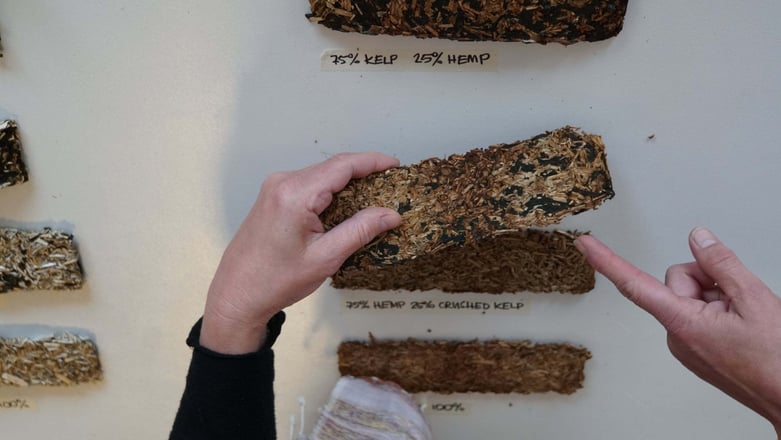
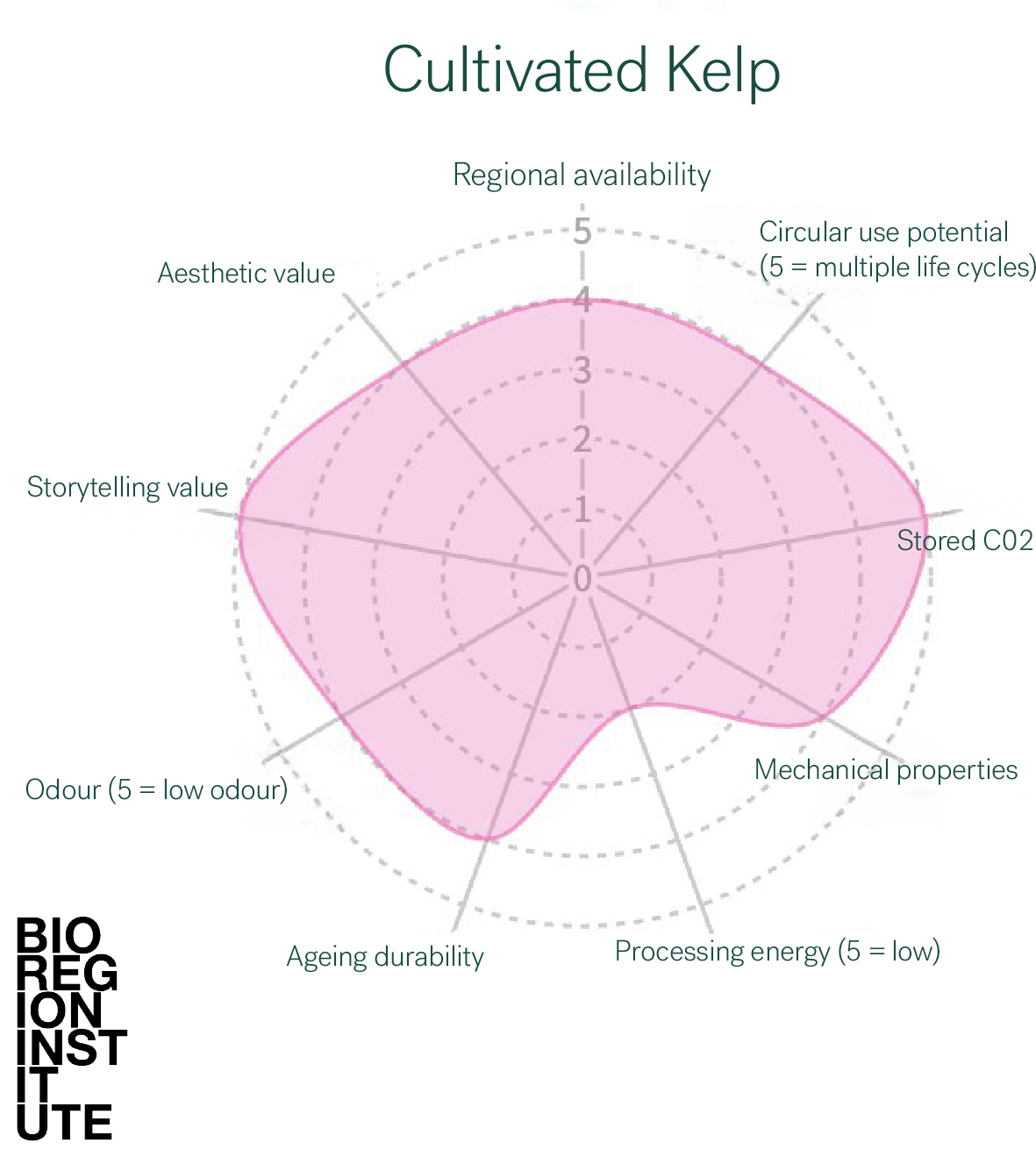
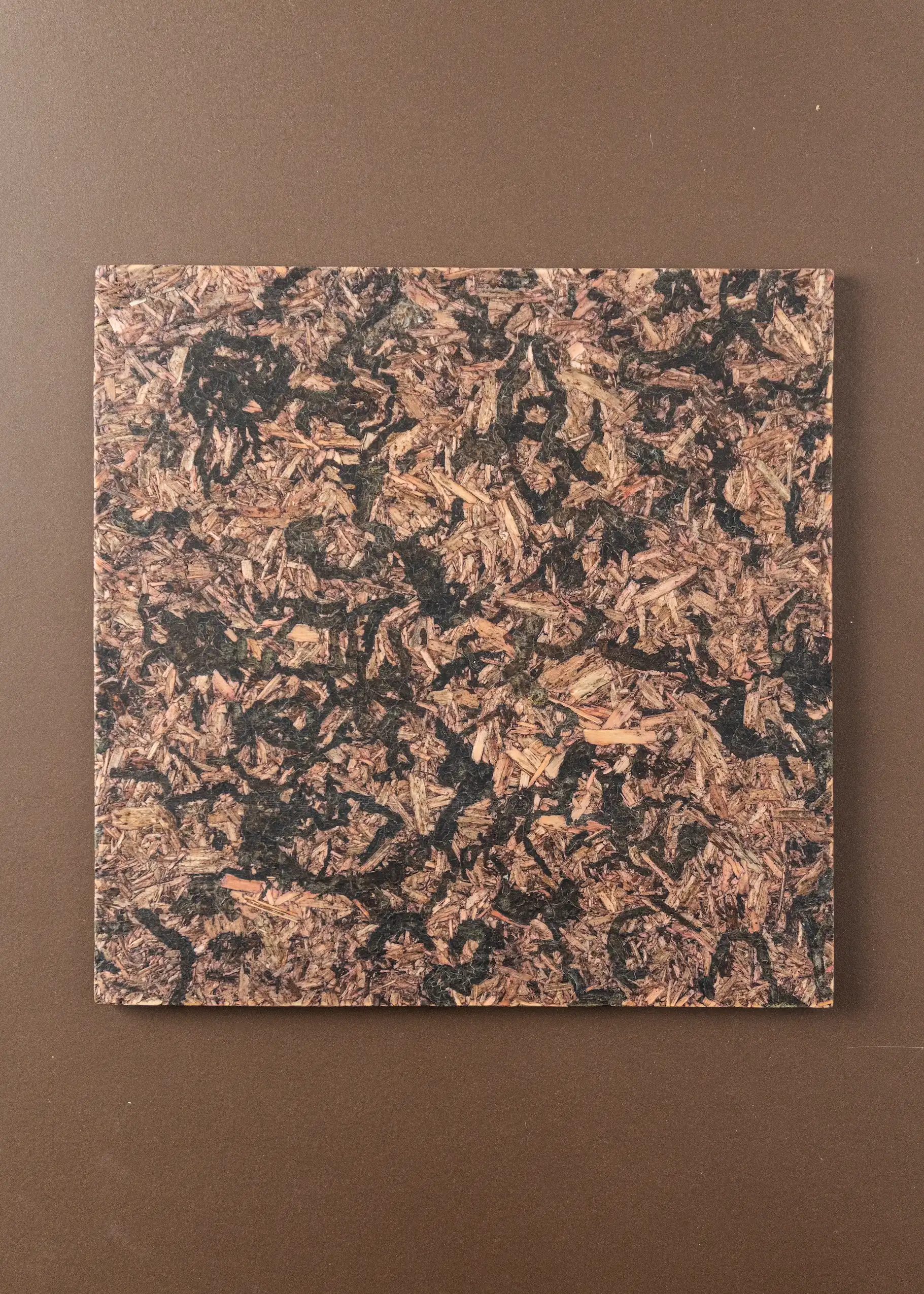
The biggest producer for both cultivated and harvested kelp is Norway. European production has a potential of 15,000 tons annually, but is struggling to scale up because of a lack of market to sell to.
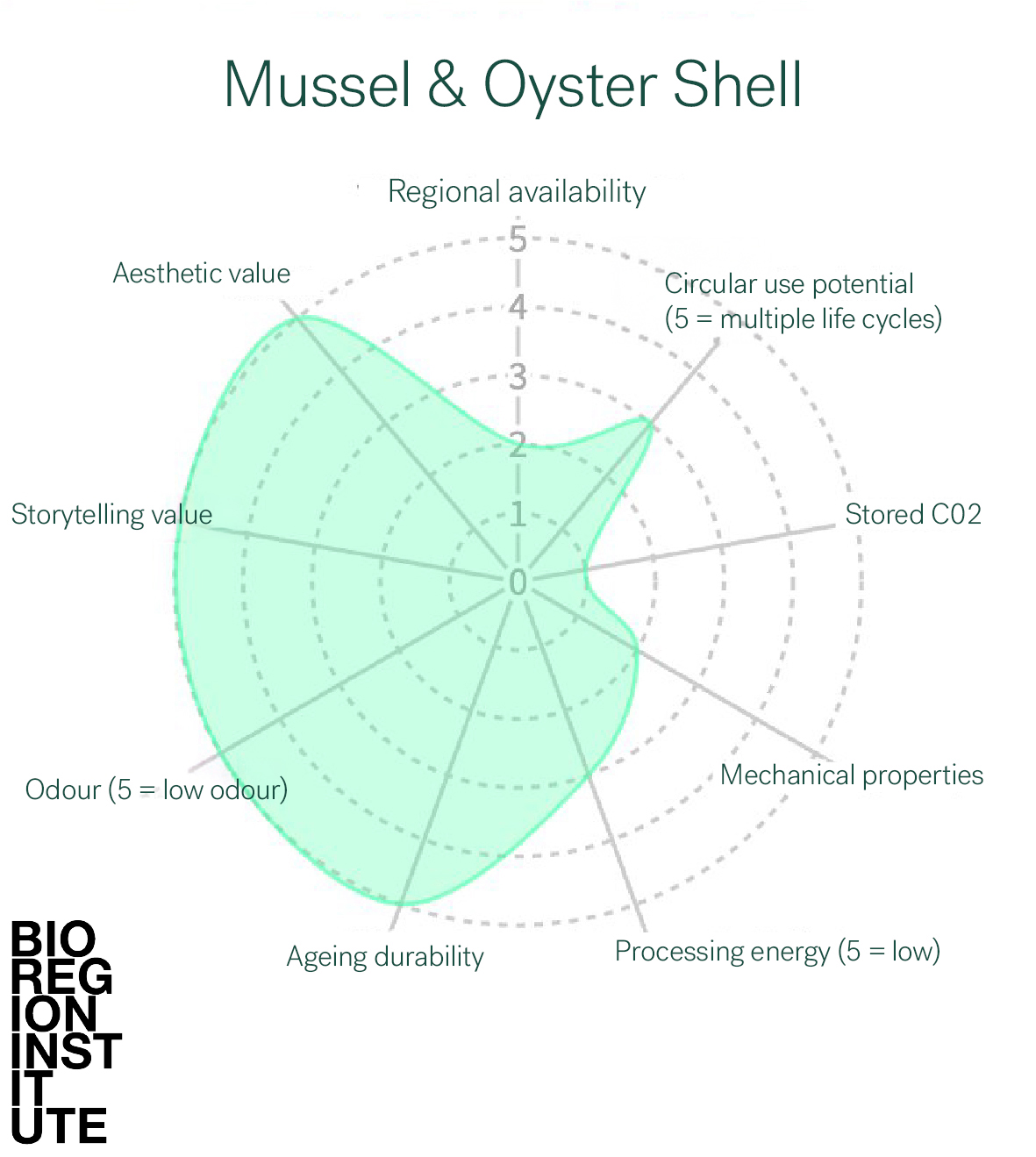
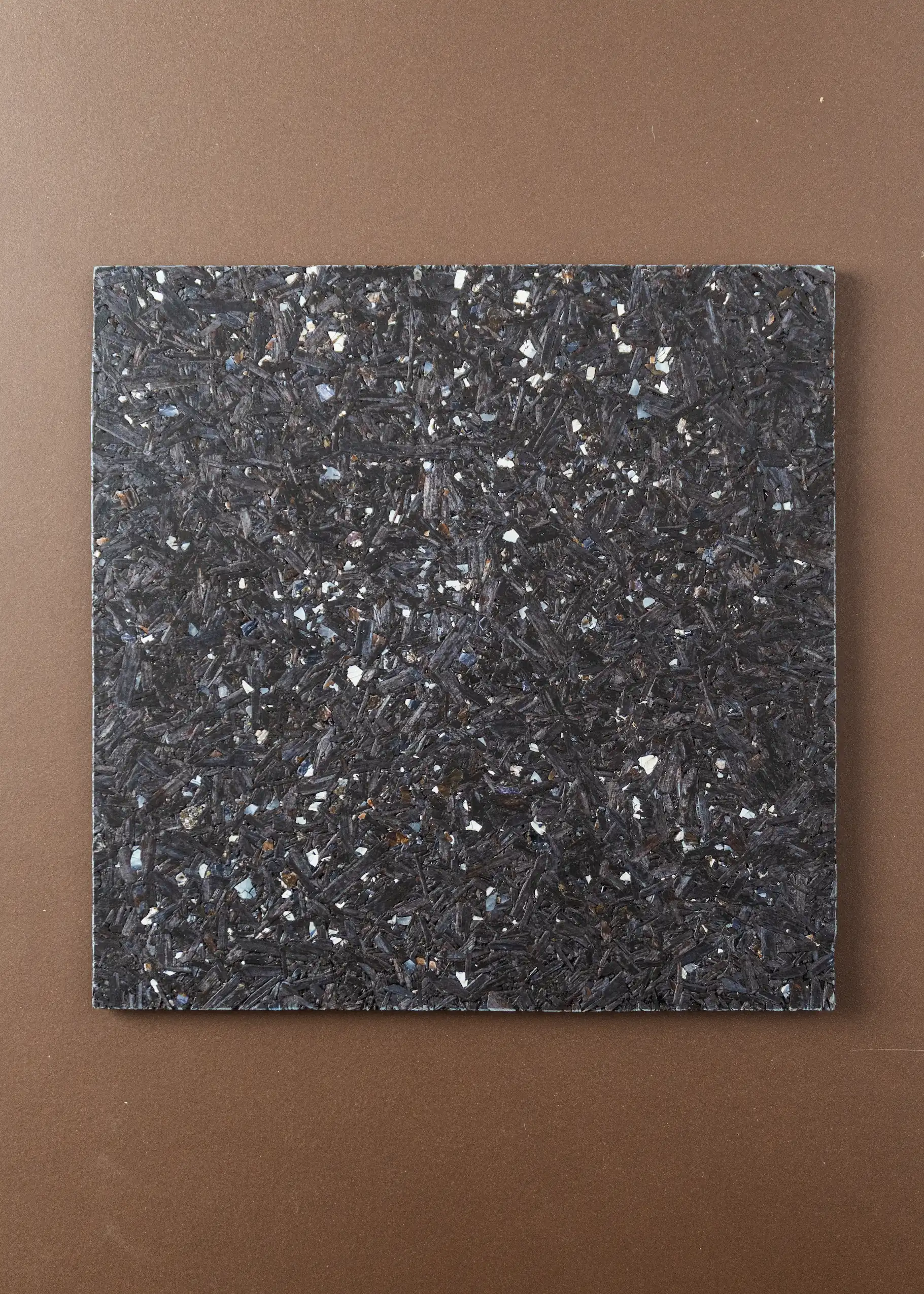
The shells of Blue mussels and oysters weigh on average 35% and 80% of total mass respectively. Together they represent half of the total seafood market, 553 000 tonnes volume in Europe.
This might also interest you
Are you designing through a Behavioral Lens?
How behavioral design shapes better workplaces. An environmental...
Designing a home office for kids (Clone)
Seasons in Colour founder Jenny Kakoudakis guest writes for Flokk sharing...
What the UK's new Government Workplace Design Guide means for furniture specification
The Government Property Agency has published version 4.0 of its Government...